
Moringa: The Most Nutrient-Dense Leaf You're Not Eating
Share
Hey.
You're already trying to eat better. Vegetables, less processed food, the basics. But there's a gap between "eating well" and actually getting enough of what your body runs on every day — vitamins, minerals, the stuff that's hard to hit through diet alone.
Moringa is one of the more nutrient-dense leaves you can add to that routine.
How moringa helps
Moringa leaves are naturally rich in vitamins, minerals, and polyphenols — which is why they're often used as a daily greens-style supplement.
Two things stand out in the research:
-
Support for healthy glucose metabolism. Multiple reviews point to real mechanisms — moringa appears to slow carbohydrate breakdown in the gut and support the body's normal glucose uptake in muscle tissue, which is why moringa leaf shows up consistently in studies on healthy glucose metabolism.
-
Antioxidant and inflammatory support. Moringa is rich in polyphenols and vitamins C and E, compounds studied for their role in protecting cells from everyday oxidative stress and supporting the body's normal inflammatory response.
If you're managing blood sugar with a doctor's guidance already, moringa is worth mentioning at your next appointment — it's a reasonable addition to a plan, not a replacement for one.
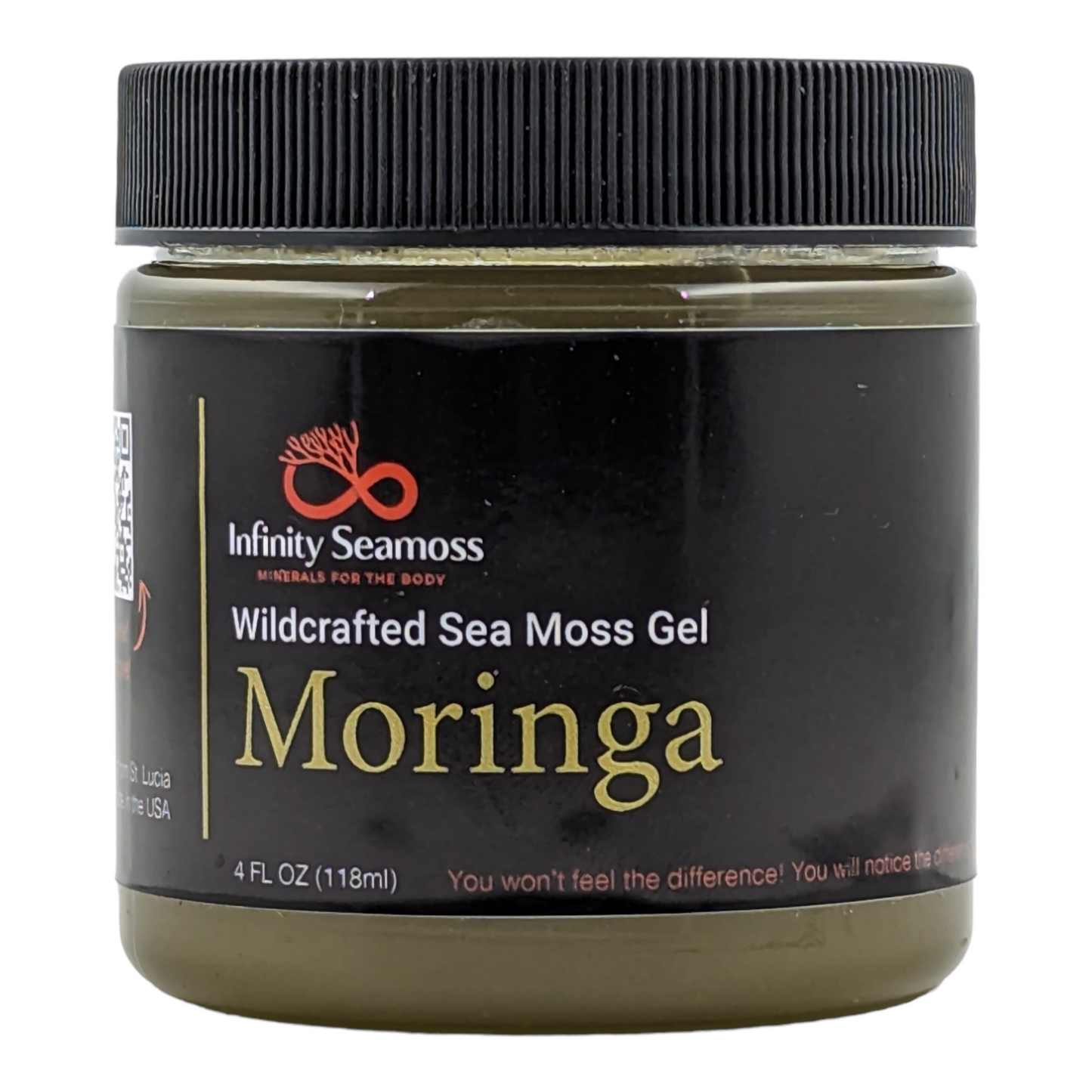
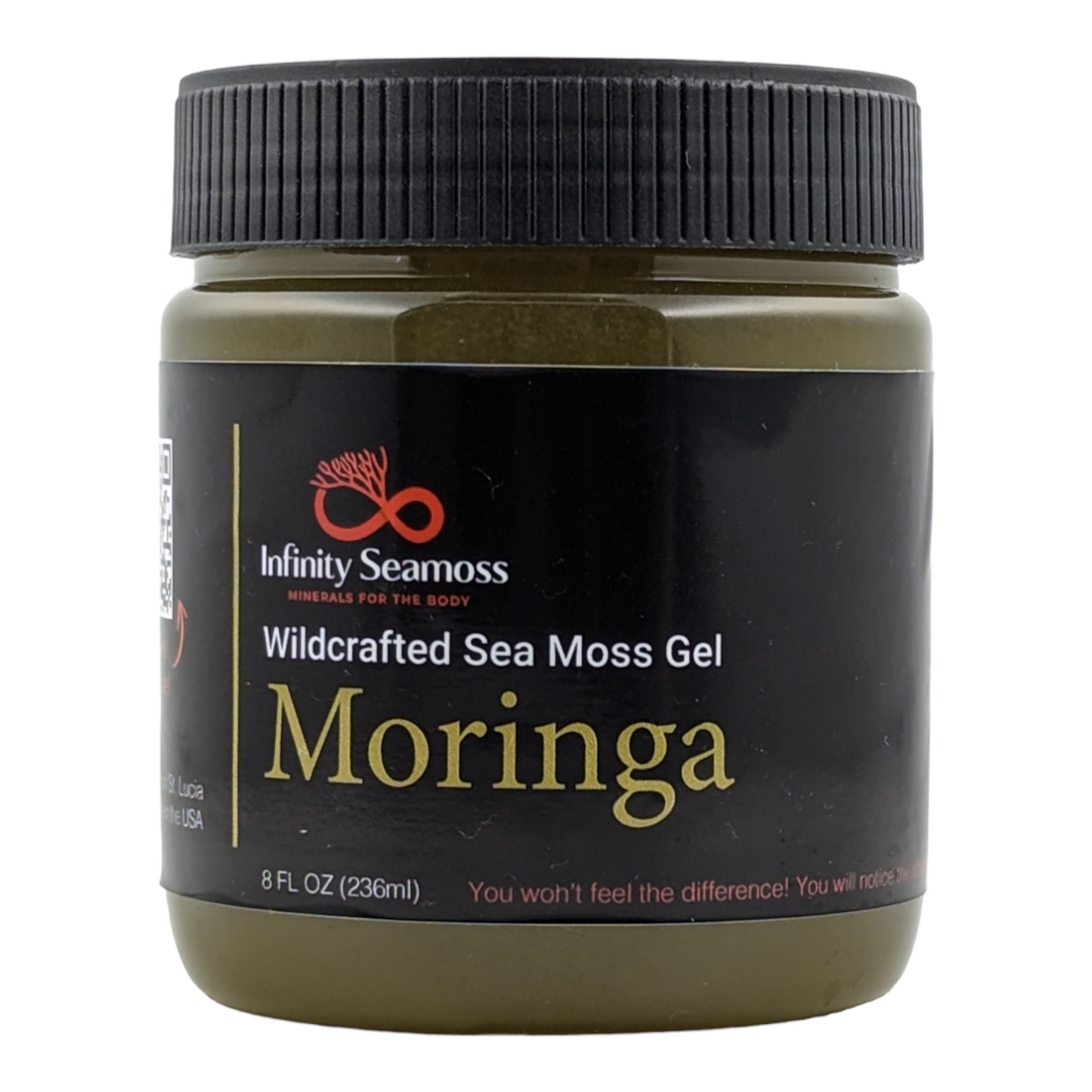
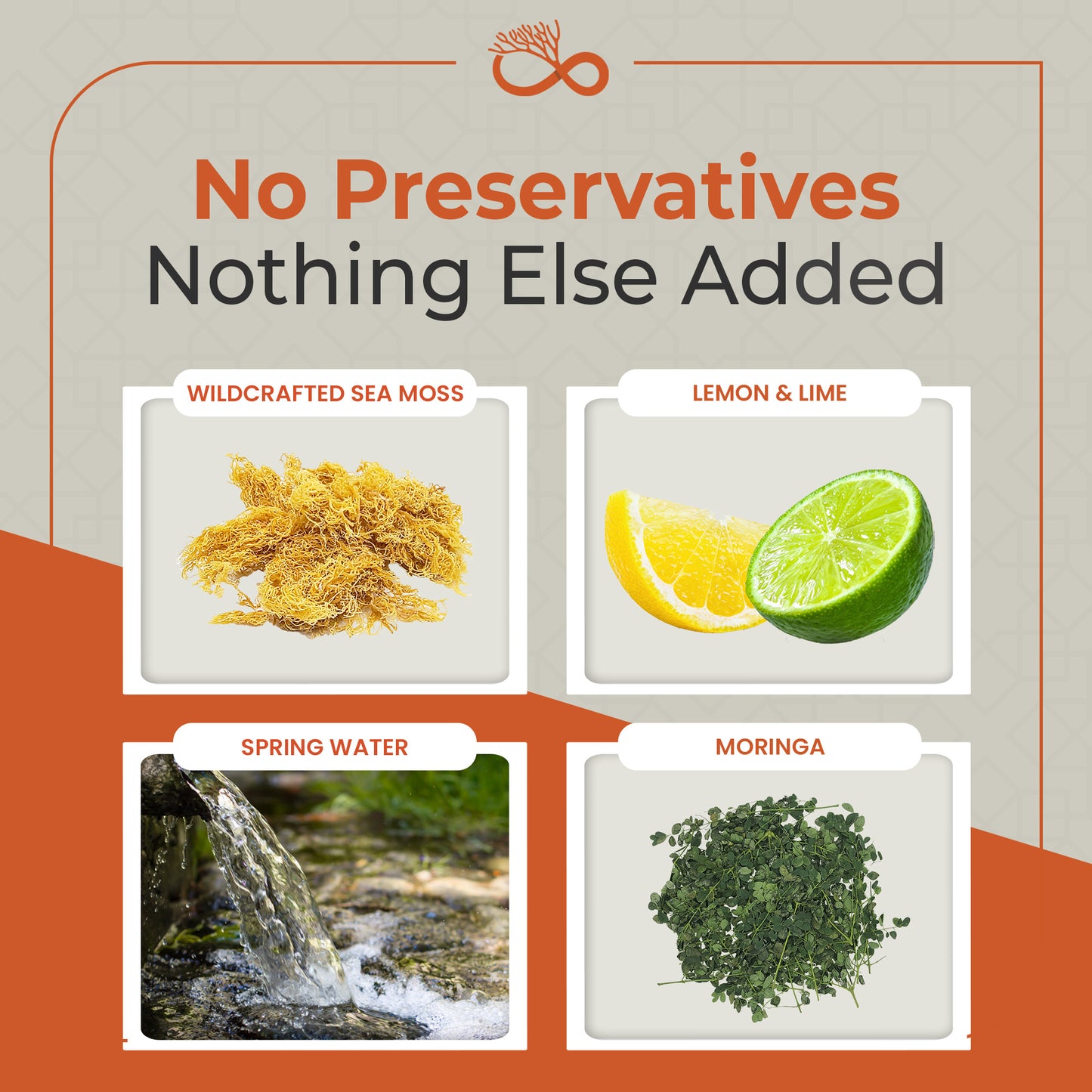
Sea moss, moringa, lemon, lime, spring water. Green, earthy, and mild, made fresh to order in Atlanta.
Reasons not to take it
-
Pregnancy. Moringa root and bark have traditionally been avoided in pregnancy; leaf is generally considered lower-risk but talk to your doctor first.
-
Diabetes medication. Moringa may support healthy glucose metabolism, and combined with medication that effect can add up — tell your doctor you're taking it.
-
Thyroid conditions. Moringa may affect thyroid function at higher amounts. If you're managing a thyroid condition, check with your doctor, especially if you're also taking our thyroid or bladderwrack blend.
-
Blood pressure medication. Moringa has been studied for its potential to support blood pressure already in a normal range — mention it to your doctor.
Get a jar
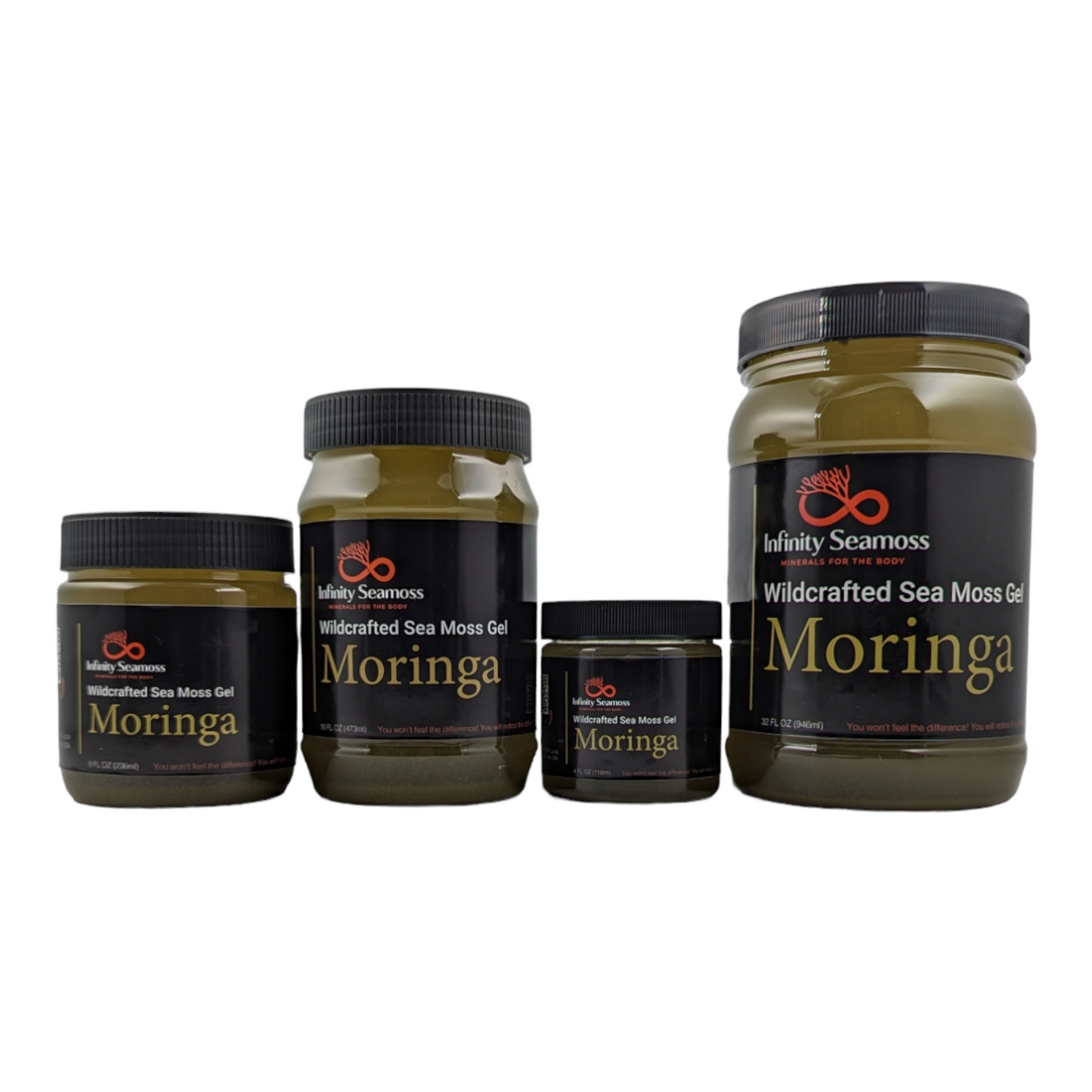
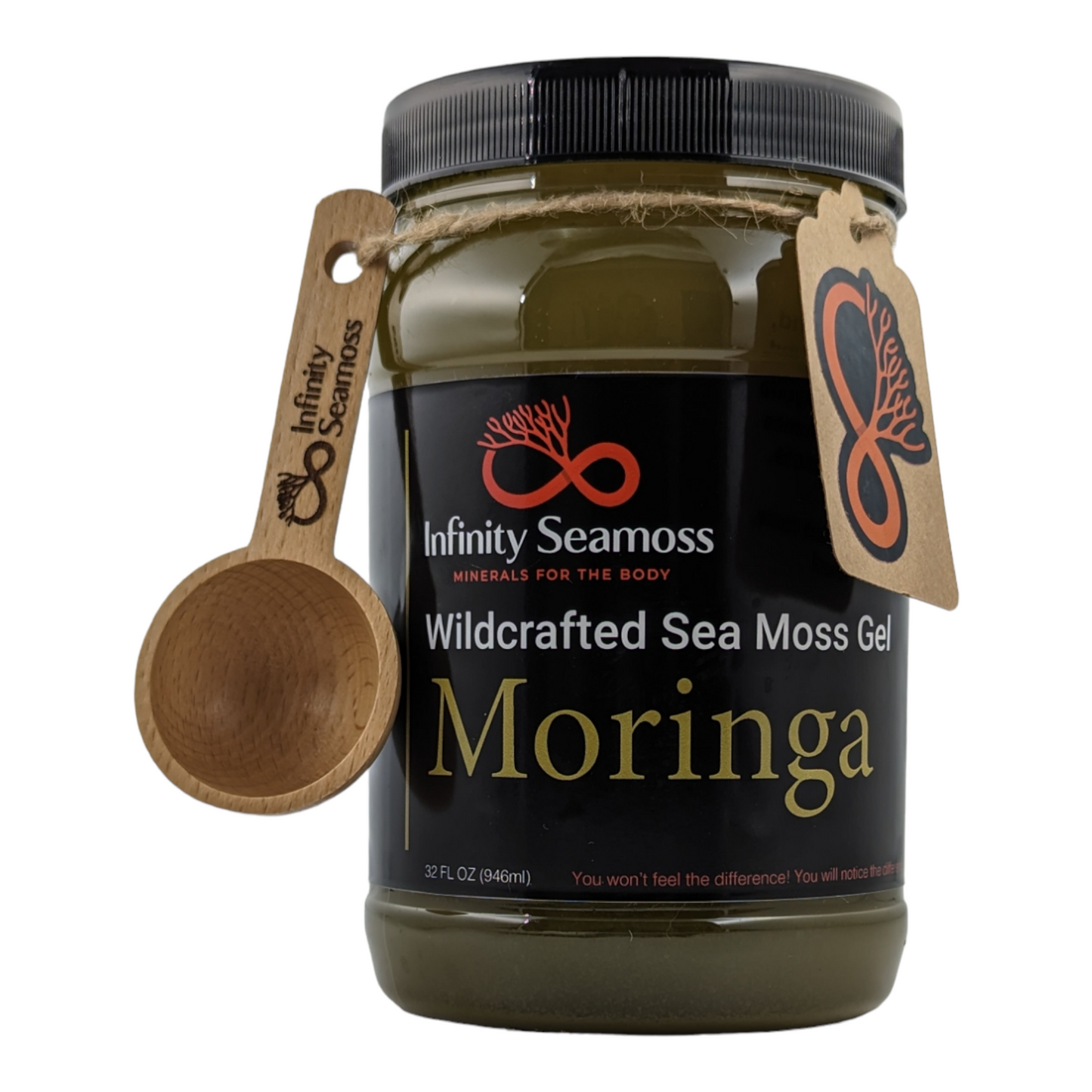
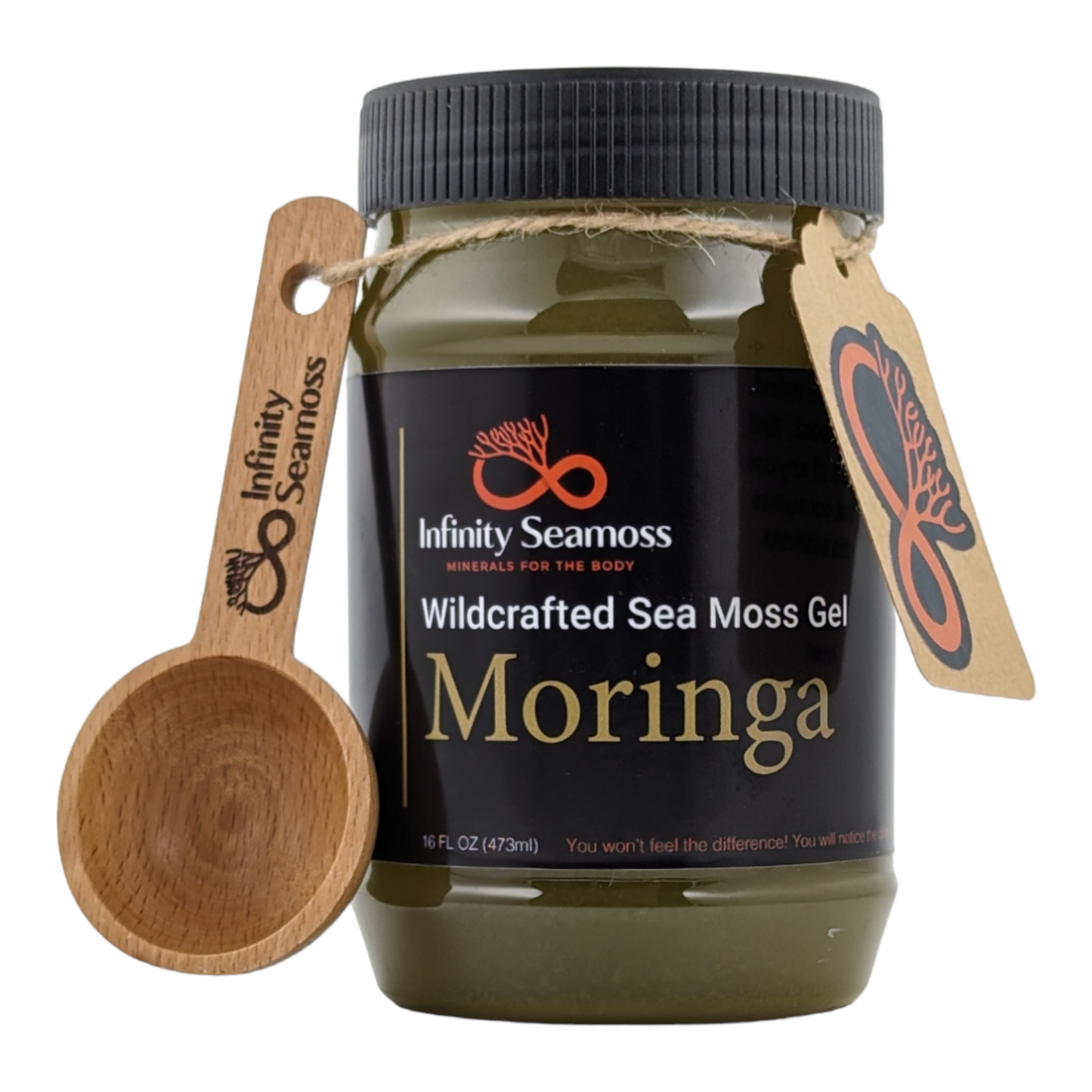
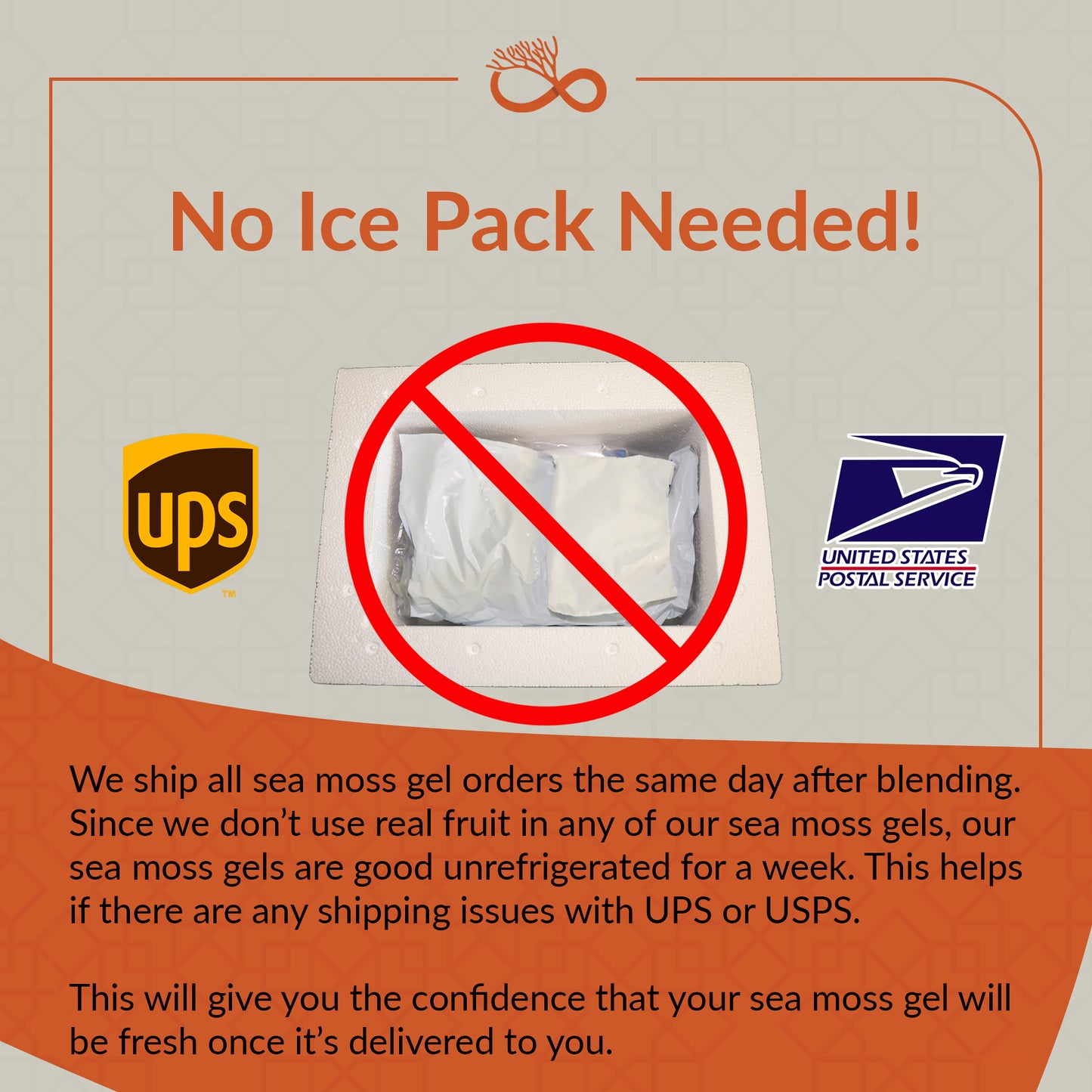
Sea moss gel with moringa, made fresh after you order and shipped from Atlanta.
A spoonful in the morning, stirred into a smoothie or straight from the jar, and give it two to three weeks.
If it isn't what you wanted, tell us and we'll make it right.
References: PMC9310029, Wiley — Moringa and Glycemic Control, PMC8229498. These statements have not been evaluated by the Food and Drug Administration. This product is not intended to diagnose, treat, cure, or prevent any disease.